Bro’s Pest Control · Tenant & property manager guide
Pest control in apartments
Document what you find, report it clearly, and coordinate the next step. Use practical checklists and sample messages to make an inspection or follow-up more useful.
For renters and building managers · Printable checklists · Official resource links
A clear first report
Found a possible pest in your apartment?
1. Record the evidence
Note the date, room, exact location, approximate size and what the pest did. Keep clear photographs or a safely obtained insect specimen. Do not disturb nests, wildlife or contamination for a closer look.
Compare pest photos →2. Notify management
Use the maintenance portal or reporting method listed by your property. Describe observations without claiming an unconfirmed species or source. Save your report and ask for an inspection plan and a next-update date.
Use a sample message →3. Coordinate access
Ask who is arranging the inspection, which areas need access, and what preparation is required. Explain practical barriers early. Follow the provider’s written instructions rather than a generic internet preparation list.
Review the visit checklist →EPA encourages early bed bug reporting and a coordinated approach without blaming residents. Read EPA guidance for landlords ↗.
Different pests need different questions
These reference photos show examples, not every species or life stage. A match on a screen cannot replace an inspection.

Possible bed bugs
Save physical evidence and report it promptly. Skin marks alone cannot confirm bed bugs. Ask the provider how to handle belongings before moving them through shared areas.
Ask: How will identification be confirmed, and should connected apartments or shared spaces be inspected?
Bed bug service guide →
Recurring cockroaches
Record rooms, plumbing areas, appliances and sightings of small insects or egg cases. Identification and monitoring help distinguish the problem from an occasional outdoor visitor.
Ask: Does the plan address leaks, access gaps and shared utility areas as well as treatment?
Cockroach service guide →
Rodent evidence
Record gnawing, sightings and suspected entry points without touching droppings. Do not sweep or vacuum rodent waste; use the CDC’s cleanup guidance or arrange appropriate help.
Ask: Who handles exclusion repairs, cleanup and monitoring separately from trapping?
Rodent service guide →References: EPA bed bug identification ↗, UC IPM cockroaches ↗, CDC rodent cleanup ↗. For pantry insects, carpet beetles, springtails and other look-alikes, use the 11-group pest comparison tool.
Keep one dated service file
Apartment pest-control checklists
Check items as you go. These boxes are for use in this browser session; they are not submitted to Bro’s or saved as a maintenance request.
Before you report
Before the inspection or treatment
After the visit
Prefer a worksheet? Download the inspection preparation checklist (PDF) or quote comparison worksheet (PDF). The provider’s method-specific instructions take priority over a general checklist.
Sample messages to your property manager
Use factual, neutral wording. Edit the text before copying, attach evidence through your normal reporting channel, and keep a copy. These are communication examples, not legal notice forms; a lease, housing program or local law may require a particular delivery method or notice.
Copying a message does not send it. This page does not submit maintenance requests or store your edits on the site.
For managers, owners & residents
Coordinate the building, not just one appointment
Recurring activity can involve access routes, shared systems or nearby spaces. Ask the pest professional which areas need assessment; a report in one apartment does not prove that a neighbor caused it.
| Part of the plan | Manager or provider questions | Resident’s useful contribution |
|---|---|---|
| Identification & scope | What is confirmed? Which units, common areas or connected spaces should be assessed? | Specific sightings, photos and access information for your own unit. |
| Maintenance | Who owns leak repairs, gaps, screens, waste handling and exclusion work? When will each be checked? | Report the location and date of a condition without opening walls or sealing an active animal route yourself. |
| Preparation & access | Who gives instructions, arranges lawful entry and handles residents who need practical assistance? | Respond through the property’s process and explain any preparation barriers early. |
| Monitoring & follow-up | What observations trigger reassessment? Who tracks visits, repairs and whether the plan worked? | A dated log and prompt reports of new evidence after the visit. |
Manager planning checklist
- Give residents one clear reporting route and a named coordinator.
- Use qualified providers and verify credentials through the relevant state regulator.
- Provide preparation and re-entry instructions appropriate to the proposed work.
- Coordinate assessment of connected spaces when the provider recommends it.
- Track maintenance work and treatment as separate tasks.
- Share the plan without disclosing another resident’s private information.
If activity continues
Report what you observed rather than assuming the treatment failed. Ask the provider to interpret the timing, pest life stage and monitoring results.
Request a reassessment plan if activity persists or changes. Clarify whether unfinished repairs, access limitations or additional areas need attention. Do not add sprays or other products without checking whether they conflict with the plan.
Use the follow-up message above →NYC Health’s bed bug guidance specifically discusses checking connected units. That resource applies to New York City; use your local requirements elsewhere. Read NYC tenant and building-owner guidance ↗.
Who arranges service, and who pays?
There is no single answer for every U.S. apartment. The location, housing program, applicable law, lease and facts of the situation can affect responsibility. A pest sighting alone does not settle who caused it or who owes a charge.
Before agreeing to a charge
- Ask who is authorizing the work and hiring the provider.
- Request the written basis and itemized scope for any proposed charge.
- Clarify inspection, treatment, repeat visits, repairs, cleanup and any required time away.
- Check the applicable tenant guidance or seek local legal help if responsibility is disputed.
If the report is unresolved
Keep the original notice, follow-up reports and responses. Use the management escalation route, then check your local housing or code-enforcement process and the requirements for your type of property.
Get location-specific advice before taking steps such as withholding rent, paying for work and deducting the cost, or ending a lease. This guide does not establish that those remedies are available.
Find official tenant-dispute resources ↗If you are the person authorized to compare bids, use the treatment and cost guide and the California or Texas cost calculator. These are planning references, not a ruling on payment responsibility or a quote for a whole building.
Find the right type of help
Official local resources
Start with the office serving your address and housing type. An Extension office can help with identification questions; a housing agency handles different issues. Confirm jurisdiction, submission steps, fees and response scope.
| You need… | Where to start | What to ask |
|---|---|---|
| Pest identification help | County Extension directory ↗ | Do you accept insect photos or specimens? What instructions and fees apply? |
| Tenant-rights or complaint guidance | USAGov tenant resources ↗ | Which state or local office and complaint route applies to this property? |
| Affordable legal assistance | USAGov legal-aid directory ↗ | Can a local service advise on notice, disputed charges or a housing issue? |
| California rental guidance | California DRE tenant and landlord guide ↗ | Check the current state guide and any additional local requirements. |
| Texas rental guidance | Texas Attorney General renter resources ↗ | Check the applicable reporting and repair process before choosing a remedy. |
| Georgia rental guidance | Georgia DCA landlord–tenant handbook ↗ | Use the handbook for an overview; a disputed legal right may need local advice. |
| New York City pest complaints | NYC311 residential pest complaint ↗ | Confirm the property type, responsible agency and reporting steps. NYC rules are not nationwide rules. |
For another location, start with the national directories above and your city or county’s official housing/code-enforcement office. For HUD-insured or managed properties, USAGov also links to the relevant HUD complaint route. Browse Bro’s city and state planning guides →
These organizations are independent of Bro’s. Links do not imply endorsement or guarantee an inspection, legal representation or enforcement action.
Apartment pest-control FAQs
Does one insect mean the whole building is infested?
No. Record what you saw and ask for identification and an appropriate inspection. One sighting does not establish the source, extent or need to treat every apartment.
Can I book a company myself?
Ask management who authorizes work and how the lease and local rules apply. Confirm access, product use, cost responsibility and building coordination before making arrangements that affect the property.
Do I have to throw away a mattress or furniture?
Do not assume disposal is necessary. Ask the provider for item-specific instructions before moving belongings. If disposal is recommended, ask management how to prevent spread through common areas and follow local disposal rules.
How long do I need to leave my apartment?
The answer depends on the product and method. Get written instructions for preparation, people, pets and re-entry from the provider. This guide cannot supply a universal waiting period.
What if I cannot complete the preparation?
Tell management before the appointment and ask how to arrange assistance. Explain the practical barrier; use the appropriate private channel if accommodation or sensitive information is involved.
How soon must management respond?
Response duties and deadlines vary. Request an expected inspection date and next update, then check the current official requirements for your location and housing program. The sample messages do not establish a legal deadline.
Need help planning the next step?
If you rent, coordinate with management first. If you are authorized to arrange service, describe the building, affected areas and evidence, then ask the independent provider to confirm identification, availability, scope and price.
Bro’s provides information and referrals. Independent providers perform inspections and treatment; Bro’s does not decide landlord–tenant responsibilities.
Sources & editorial notes
Compiled by Bro’s Pest Control as a general U.S. planning guide. Sample messages are original communication examples. Legal responsibility, notice, entry and complaint procedures must be checked for the applicable location and housing program. Sources checked October 25, 2026.
- EPA: landlord preparation and response ↗
- EPA: bed bug identification ↗
- UC IPM: cockroach identification and management ↗
- CDC: rodent cleanup ↗
- EPA: fogger precautions ↗
- EPA: selecting a pest control service ↗
- USAGov: tenant disputes and official help ↗
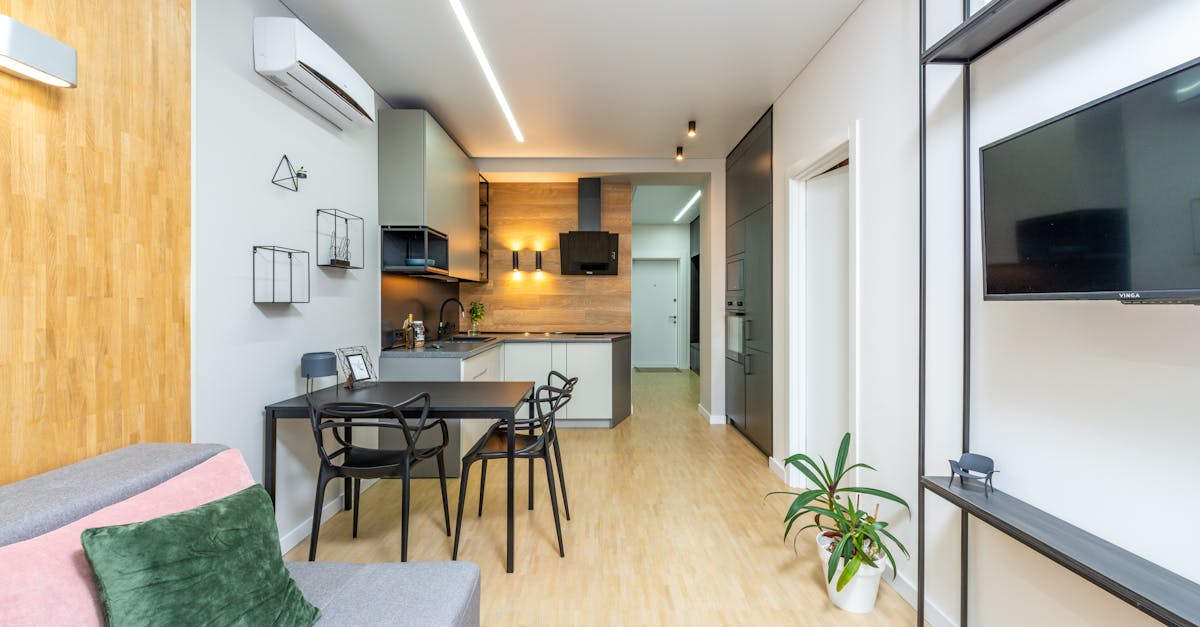
Photo credits: apartment interior — Max Vakhtbovych / Pexels ↗, Pexels License ↗, display cropped. Bed bug nymph — Piotr Naskrecki / CDC ↗, public domain. German cockroach — Bagous ↗, CC BY-SA 4.0 ↗. House mouse — Ahunt ↗, CC0 ↗. Pest photos are resized without cropping; examples are not to scale and do not establish activity at a particular property. External resources open in new tabs.
↑ Back to the apartment guide