
Pest Treatment & Cost Guides
Compare treatment options, understand what a quote covers, and plan for the full cost—not just the first visit.
6 pest guides · Published cost ranges · First-year quote calculator

Planning pest control in California? Use our California Pest Control Cost Calculator to explore named provider price references and compare two written first-year quotes.
Free homeowner toolkit · No signup
Printable pest inspection & quote comparison checklists
Bring a clear record of the problem to an inspection, then compare the same job across providers. Download these two original Bro’s worksheets, print them, and keep your completed copies with your service paperwork.
Inspection preparation checklist
Use it before and during the visit to record what you observed and what the provider finds.
- Dated sighting log and photo references
- Property access and previous-service notes
- Inspection findings, exclusions and follow-up questions
Three-provider quote comparison
Put three written proposals side by side before deciding which service meets your needs.
- Coverage, methods, preparation and exclusions
- Callbacks, credentials and warranty conditions
- First-year payments, extras, taxes and renewal terms
Free PDFs; no email address required. Your browser may download the file or open a PDF preview. These are print-and-write worksheets, not online forms. Bro’s does not receive anything you write on them.
Use the worksheets in three steps
- Record the evidence. Note dates, locations and clear photos obtained safely. Use the identification guide for initial comparisons; an inspection may still be needed.
- Match the proposed work. Give providers the same information. Write “not stated” beside unanswered items and ask for clarification rather than treating a blank as included.
- Compare the complete price. Count payments rather than visits. Transfer written amounts to the first-year quote calculator; compare coverage and terms alongside the arithmetic.
Prepared by Bro’s Pest Control. Selection questions draw on EPA’s provider-selection guidance ↗ and UC IPM’s hiring guidance ↗, reviewed October 24, 2026. References do not imply endorsement. Worksheets contain no advertised prices or measured local averages.
How much does pest control cost?
The price depends on what is being treated, how far the problem has spread and what the provider includes. A small ant treatment, a bed bug program and whole-structure termite work are different jobs.
| Service / pest | Published estimate (USD) | Scope to check |
|---|---|---|
| General one-time visit | $100–$600 | One visit; confirm the pest and tasks included |
| Ants | $200–$300 | One-time treatment |
| Cockroaches | $100–$600 | One-time visit; follow-up scope varies |
| Bed bugs | $300–$500 per room / $2,500–$5,000 per home | Different treatment areas; not interchangeable prices |
| Mice & rats | $150–$600 | Removal; ask separately about exclusion and cleanup |
| Fleas | $200–$400 | Treatment scope varies; pet care separate |
| Termites | $225–$2,500 exterior barrier / $2,000–$8,000 whole-home tenting | Different methods and scopes; inspection needed |
Need an actual price? Request a written estimate based on the identified pest, property and service scope. Request pest control help or start with pest identification.
Explore treatment options by pest
Choose a pest to compare the approach and the questions worth asking before you hire. An inspection should confirm the plan.
Showing 6 treatment guides
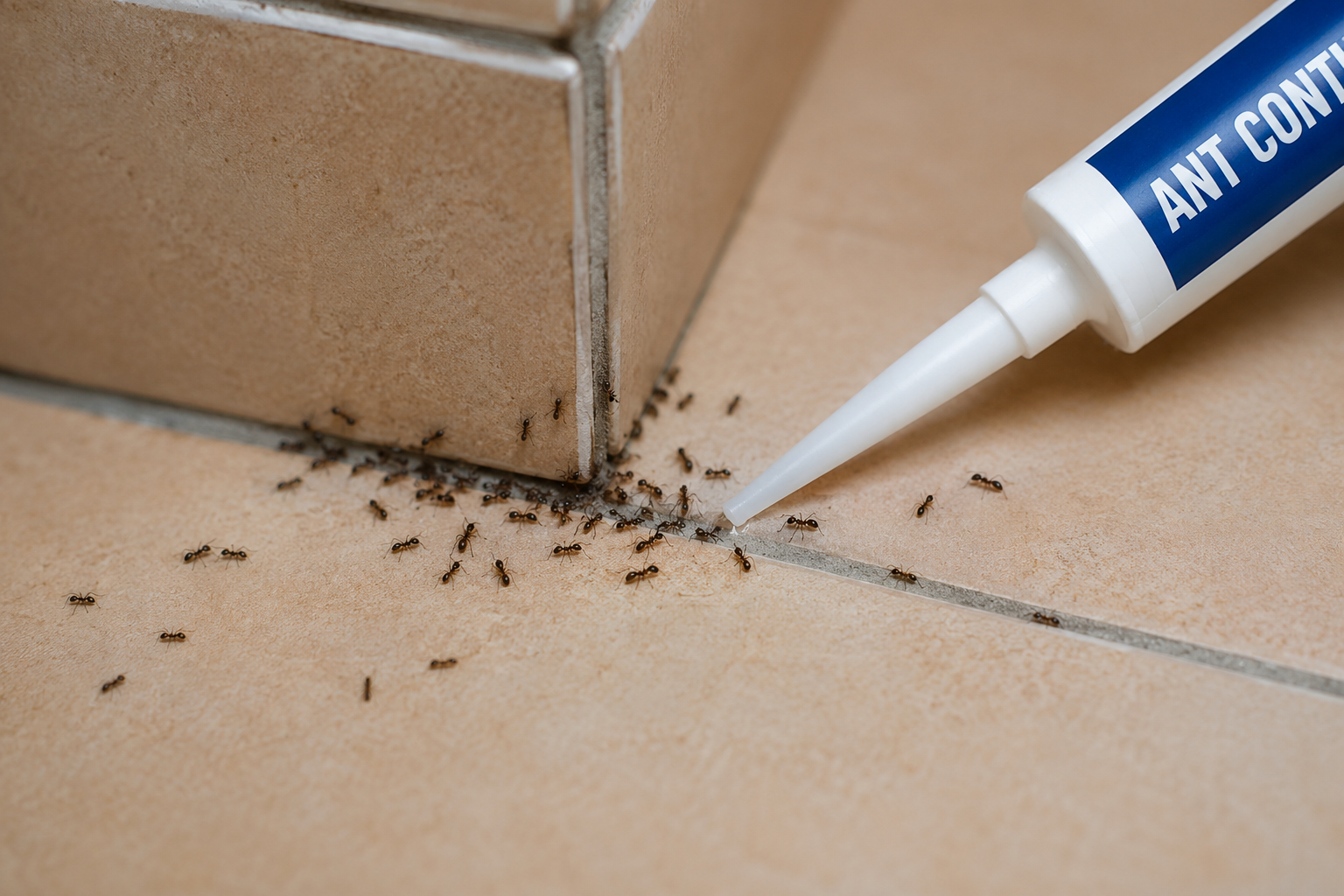
Ant treatment
Baits + entry-point prevention
A bait program targets colony activity; cleaning food residues and sealing entry gaps reduce new activity. A spray aimed only at visible workers may leave the source unresolved.
Compare the scope: Ask which ant species is present, whether the nest is located, and what follow-up is included. Carpenter-ant work or inaccessible nests may need a different scope.
Ask the provider: “What happens if the trail returns, and should I avoid cleaning or spraying near the bait?”
Read the treatment guidance (opens in a new tab) ↗↑ See cost reference table
Cockroach treatment
Monitoring + baits + sanitation
An effective plan combines species identification, monitoring, food and moisture control, and appropriately placed baits or other targeted treatment. Foggers can scatter roaches without solving the problem.
Compare the scope: Ask whether the price covers follow-up trap checks, adjoining units where relevant, and the identified species. A one-time outdoor invader differs from an established indoor infestation.
Ask the provider: “How will you measure improvement and decide whether another visit is needed?”
Read the treatment guidance (opens in a new tab) ↗↑ See cost reference table
Bed bug treatment
Heat or targeted treatment within an IPM plan
Professional heat, steam, monitoring, encasements and labeled pesticides may be combined. The right mix depends on the infestation and property. Resident preparation and follow-up matter whichever method is chosen.
Compare the scope: Compare the actual rooms and items covered. Ask about temperature monitoring for heat, preparation, sensitive items, return visits and the evidence used to confirm control.
Ask the provider: “Does the quote cover only treatment day, or inspection and follow-up as well?”
Read the treatment guidance (opens in a new tab) ↗↑ See cost reference table
Termite treatment
Match treatment to termite type
Subterranean termite options include liquid soil treatments and bait systems. Drywood infestations can require localized or whole-structure approaches. These are different treatment scopes; an inspection should establish the species and extent first.
Compare the scope: Ask about access, drilling, monitoring, renewals and the written warranty. Tenting, damaged-wood repairs and future protection are separate questions; do not assume one price includes them all.
Ask the provider: “Is the warranty for retreatment only, or does it include specified damage repairs?”
Read the treatment guidance (opens in a new tab) ↗ · Drywood options (opens in a new tab) ↗↑ See cost reference table
Mouse & rat treatment
Removal + exclusion + monitoring
Trapping or other appropriate removal should be paired with limiting entry and reducing accessible food and shelter. Removing animals without addressing entry can leave the property vulnerable to more activity.
Compare the scope: Request separate prices for removal, entry repairs, follow-up visits and any cleanup. “Rodent control” may describe a much smaller job than sealing a roofline and restoring contaminated insulation.
Ask the provider: “Which entry points will you close, with what materials, and what is excluded?”
Read the treatment guidance (opens in a new tab) ↗↑ See cost reference tableFlea treatment
Coordinate the pet and the environment
Pet treatment should be coordinated with a veterinarian and with cleaning pet resting areas. Vacuuming and laundering suitable bedding support control; a room treatment alone may miss the ongoing source.
Compare the scope: Confirm whether the quote covers indoor rooms, outdoor resting areas if needed, and return visits. Veterinary care and pet medication are normally a separate conversation.
Ask the provider: “How should pet care and home preparation be timed with the service?”
Plan around your animals: Use the pet-owner flea and treatment planning guide to organize veterinary-care questions, household preparation and written return instructions.
Fleas in a rental? The apartment reporting and follow-up worksheet helps document sightings and coordinate inspection, access and next steps with management.
No matching guide. Clear the search or try another pest name.
Compare treatment methods
These methods solve different problems. A plan may combine several; a more intensive treatment is not automatically the best fit.
| Approach | What it addresses | What to clarify |
|---|---|---|
| Prevention & exclusion | Entry gaps, food, water and shelter | Exact repairs, materials, access and responsibility for maintenance |
| Traps & monitoring | Rodent removal or insect activity tracking | Number of checks, placement, removal and how progress is documented |
| Baits & targeted applications | Specific pest activity and hiding / feeding areas | Target species, product label, locations and follow-up plan |
| Professional heat / steam | Bed bugs in treated areas or items | Area covered, monitoring, preparation and whether additional methods are needed |
| Termite soil treatment / bait system | Subterranean termite protection or control | Installation, access, inspections, ongoing monitoring and renewal costs |
| Whole-structure fumigation | Some drywood termite infestations where a whole-structure approach is appropriate | Why recommended, preparation, vacancy, clearance and reinfestation protection |
What changes the final price?
Pest & extent
Identification, the number of affected rooms, hidden activity and the work needed to reach it determine the job you are comparing.
Property & access
Ask how size, crawl spaces, roof access, attached units or difficult areas change the written scope and labor allowance.
Work beyond treatment
Confirm preparation, exclusion, cleanup, repairs, follow-ups and renewals individually. Include any required costs in your first-year budget.
One-time service or an ongoing plan?
One-time service
A defined job for a specific problem. Confirm the initial inspection, treatment area, included return visits and the date coverage ends.
Compare: total job price, not just the first appointment. A bed bug or rodent job may involve several visits even when sold as one program.
Recurring plan
Ongoing inspection or service with stated coverage. Ask whether monthly billing means monthly visits, and which pests require an extra fee.
Compare: initial fee, number of payments, minimum term, renewal terms and cancellation charges. Ask what triggers treatment versus monitoring.
UC IPM distinguishes one-time and recurring services and recommends a written management strategy. EPA advises looking at value and competence alongside cost. Read UC IPM’s hiring advice (opens in a new tab) ↗ · Read EPA’s selection tips (opens in a new tab) ↗.
Compare first-year quote totals
Enter the charges from two written quotes. Count billable payments, not visits: a plan can bill monthly but visit quarterly. Count additional recurring charges after the initial fee; do not count an included first visit twice.
Quote A
Total from the amounts entered
Quote B
Total from the amounts entered
Quote A is $70.00 lower over year 1 based on these inputs.
Formula: initial fee + recurring charge × number of additional charges + other year-one costs. Include applicable taxes and mandatory extras in “other costs.” This compares arithmetic only; coverage, outcomes and contract terms can differ. Entries are calculated in your browser and are not submitted as a quote request.
Your checklist for comparing written quotes
Give each provider the same pest, property details and observed evidence. Then compare the answers side by side.
- Diagnosis: What pest is confirmed, where is the activity, and what evidence supports the diagnosis?
- Treatment scope: Which rooms, exterior areas, structures or items are covered? Which are excluded?
- Method: Why this approach, what products will be used, and what nonchemical steps are part of the plan?
- Total charges: Initial work, repeat payments, mandatory extras, taxes, renewal and cancellation terms.
- Preparation: Who moves belongings, handles laundry or makes access available? Is preparation assistance available at an added cost?
- Follow-up: When will the provider check results, what counts as continuing activity, and when do callbacks cost extra?
- Warranty: Duration, conditions, excluded areas and whether coverage means retreatment or specified repairs.
- Credentials & instructions: Verify the relevant license and obtain written product, preparation and re-entry information.
Download the two-page inspection and three-provider quote worksheets ↑
Before and after treatment
Renting? Use the apartment pest-control guide for reporting examples, management coordination and a follow-up worksheet. Have animals at home? Use the pest control with pets guide to plan relocation, questions for the provider and written return instructions.
Before the appointment
Get written preparation instructions for the actual method. Tell the provider about pets, aquariums and any access constraints. Ask how long occupants must leave and what must be removed or protected.
Do not assume another company’s checklist applies. Heat, baiting and fumigation have different preparation requirements.
After the appointment
Follow the provider’s instructions and product label for re-entry, cleaning and contact with treated areas. Ask what activity to expect and when to report it.
Keep a dated record of sightings and the service paperwork. Return visits should be tied to the plan and monitoring results, not a promise that every problem disappears immediately.
There is no universal re-entry time or guarantee that one visit will resolve every infestation.
Treatment & cost FAQs
Are these prices what Bro’s Pest Control charges?
No. The ranges are selected published estimates from HomeGuide, with the source and scope shown above. Bro’s is a pest control connection resource. The service provider sets the price after evaluating the job.
Why can two pest control quotes be so different?
They may cover different pests, areas, methods, visits or warranties. Compare written scope, first-year charges and exclusions before deciding whether one is better value.
Is heat always better than chemical treatment for bed bugs?
No single method is right for every property. EPA describes a combined IPM approach using appropriate chemical and nonchemical measures. Ask how the proposed plan addresses hiding places, preparation and monitoring after treatment.
Does termite treatment include damage repairs?
Do not assume it does. Ask for separate written terms for treatment, renewal, retreatment and any specified repair coverage. A retreatment warranty is different from a damage-repair warranty.
Can I handle the problem myself?
For some minor pest problems, identification, cleaning, sealing entry gaps and monitoring may help. Established bed bug, termite or difficult rodent problems often need specialist assessment. Choose methods for the identified pest and follow product labels.
Is a free inspection the same as a free treatment?
No. Ask what is free, whether a written report has a fee and whether any inspection charge is credited toward later work. Obtain the treatment price before agreeing to service.
Know what you’re comparing before you book
Describe the pest, where it was found and what you have already tried. Ask the service provider for identification, a written treatment scope and a complete price.
Request pest control help Find your locationSources & pricing methodology
This guide separates published market estimates from treatment guidance. The price table uses selected categories from HomeGuide’s January 9, 2026 guide; we have not combined its numbers into a new average or validated them against Bro’s referrals. Estimates are in U.S. dollars and do not establish local availability or a provider’s price. Treatment explanations draw on EPA and UC IPM resources; local conditions and rules vary.
Compiled by Bro’s Pest Control. Sources checked October 23, 2026. Photos are existing media-library references. External reference links open in new tabs.
- HomeGuide: Published exterminator costs (opens in a new tab) ↗
- EPA: Selecting a pest control service (opens in a new tab) ↗
- UC IPM: Hiring a pest control company (opens in a new tab) ↗
- EPA: Bed bug integrated pest management (opens in a new tab) ↗
- EPA: Termite treatments (opens in a new tab) ↗
- UC IPM: Drywood termites (opens in a new tab) ↗
- UC IPM: Ant management (opens in a new tab) ↗
- UC IPM: Cockroach management (opens in a new tab) ↗
- UC IPM: Rat management (opens in a new tab) ↗
- UC IPM: Flea management (opens in a new tab) ↗