Bro’s Pest Control · A practical pet-owner guide
Pest control with pets
Plan the treatment around the animals who share your home. Know what to tell the provider, what to move, and which instructions to get before pets return.
Dogs, cats, birds, fish & other pets · Printable checklists · Independent safety resources

Before you book
Build a plan for the pest and the pet
1. Identify the problem
Photograph the evidence safely and record where it occurs. Ask whether inspection, repairs, cleaning or monitoring can address the cause before selecting a product.
Compare common household pests →2. Describe every animal
Tell the provider the species, number of pets, enclosure locations and access habits. Mention a pet that chews, digs, hunts or licks floors. Discuss individual health concerns with your veterinarian.
3. Get the instructions
Ask for the exact products, treated areas, preparation steps, access restrictions and return conditions. Arrange suitable care away from the work when needed; do not leave an animal in a parked car.
Planning basis: NPIC pesticide use around pets ↗ and NPIC exposure reduction ↗.
Different pets need different arrangements
| Pet household | Planning questions |
|---|---|
| Dogs | Where are walking routes, beds and outdoor runs? Can the dog reach stations or dig up buried bait? Arrange an accessible, untreated route for bathroom breaks. |
| Cats | Which rooms, shelves and hiding places can the cat reach? How will the provider prevent contact with treated surfaces? Never substitute a dog-only flea product for a cat product. |
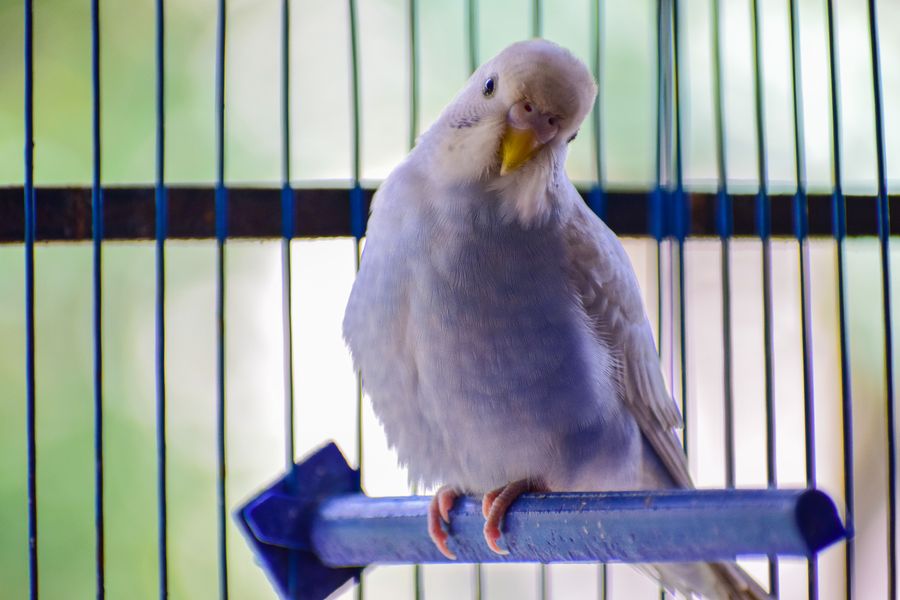
| Birds | Tell the provider before booking. Ask your avian veterinarian and provider about relocation and airborne exposure. A cage cover is not a general substitute for an exposure plan. |
| Fish & aquariums | Discuss the tank, air intake and proposed method. Get a specific plan for covering, relocating or managing equipment. Do not improvise pump shutdowns or leave life-support equipment off without appropriate advice. |
| Rabbits, small mammals & reptiles | Identify the exact species, enclosure, bedding, food storage and temperature needs. Ask an experienced veterinarian about animal-specific precautions; dog and cat instructions are not a substitute. |
Read NPIC pets and pesticide use ↗ and AVMA flea and tick product precautions ↗.
Compare the work, not a “pet-friendly” label
Ask what each method will accomplish and how access will be controlled. No entry in this table is a safety certification or a recommendation for a particular product.
| Approach | Useful discussion | Pet-access question |
|---|---|---|
| Inspection, repairs & sanitation | Confirm the pest, remove food sources and address entry routes or moisture. | Will repair tools, open gaps or contaminated material need a temporary barrier? |
| Traps & monitors | Clarify placement, checking and removal responsibilities. | Can a paw, nose or curious animal reach the device? Ask for protected placements. |
| Insect or rodent bait | Get the product name and station locations. Food-based bait can attract pets. | How will chewing, digging and access to poisoned rodents be prevented? A station does not make bait edible or harmless. |
| Targeted sprays or dusts | Ask where the product is applied and what contact must be prevented. | What drying, ventilation, cleaning and longer label restrictions apply to each animal? |
| Outdoor granules or lawn treatment | Ask about watering, weather and treated-zone boundaries. | What exact conditions must be met before paws, grazing or digging are allowed? |
| Whole-room or whole-structure methods | Ask for a method-specific relocation and clearance plan. | Which animals and enclosures must leave, and who confirms that return conditions have been met? |
Bait and outdoor-treatment precautions: NPIC ↗. Do not assume a dry surface is residue-free or suitable for licking.
Print it. Keep it with the service report.
Before, during and after treatment
Use these as planning prompts alongside the provider’s written instructions. Ticks stay in this browser session only; they are not sent to Bro’s.
Before the visit
During the work
Before pets return
Also use our inspection preparation checklist (PDF) and quote comparison worksheet (PDF).
Plan around real household constraints
Three pet-household situations, worked through
These hypothetical examples are original planning exercises, not customer stories or product approvals. The provider and your veterinarian must resolve animal- and treatment-specific questions.
A dog that chews and digs
Tell the provider: “Our dog can reach behind the sofa and digs beside the fence.”
Ask: Where would traps or stations go, and how will those specific spots remain inaccessible?
Before work: Agree on barriers and an untreated walking route. A general assurance that a station is “secure” does not explain whether this dog can reach or damage it.
A cat and a fish tank
Tell the provider: “The cat can enter every room; the tank draws air from the living area.”
Ask: Does this method permit the animals to stay anywhere on site, and what is the tank plan?
Before work: Resolve relocation and equipment questions with appropriate animal-care advice. Do not assume closing a door or covering the tank answers every exposure concern.
A flea problem with several pets
Tell the provider and vet: Which animals live in the home, where they rest and which products they already receive.
Ask: Who handles the animals’ care, household cleaning and any environmental treatment?
Before work: Align the plans and follow-up dates. Avoid adding another pet or household product because fleas are still being seen.
Underlying precautions: NPIC pets and pesticide use ↗. Flea management background: UC IPM ↗. The examples add planning questions rather than new treatment instructions.
Your treatment-and-pet handoff sheet
Use this to capture the provider’s answers in one place. It does not calculate a safe waiting time, authorize re-entry or replace a pesticide label.
Before the appointment
Instructions to obtain
Optional notes stay in this open page and are not sent to Bro’s. Reloading may clear them. Keep the final instructions in your own service file. Do not enter private veterinary records.
Still missing an answer before pets return?
Ask the provider to resolve it. “It has been a few hours,” “I cannot smell it,” and “the surface looks dry” do not replace the complete label and method-specific return conditions. This worksheet deliberately gives no green light or countdown.
What a useful provider answer contains
Too vague: “It is pet-friendly; just keep them away for a while.”
More useful: Identification of the product and application area, the relevant written restrictions, animal-specific arrangements, how to prevent contact afterward, and the person to contact with questions. Ask for clarification without assuming the same instructions suit every species.
Renting? Coordinate authorization, access and pet arrangements with management using the apartment pest-control guide →.
Questions to ask the pest-control provider
Get specific answers
- What pest has been confirmed, and where is it active?
- What repairs or nonchemical steps are part of the plan?
- Which exact products and methods will you use?
- How do the instructions account for each pet species?
- Where must animals stay, and what are the return conditions?
- How will traps, baits and treated surfaces remain inaccessible?
- Who should I contact about a spill, missing bait or new concern?
A message you can adapt
Replace the fields in braces. This is a planning example; it does not send a request.
We have {species and number of pets}, with {tank / cage / bedding locations}. Before the visit, please send the proposed products, treated areas, pet preparation and relocation instructions, and exact return conditions. Please explain how pets will be kept away from baits, traps and residues, and provide the service report and follow-up contact.
If the instructions are unclear, ask before the appointment rather than guessing a waiting time.
Fleas and ticks: coordinate pet care and home care
A household service and an animal’s treatment are separate decisions. Ask your veterinarian to select an appropriate flea or tick product for your pet’s species, age, weight, health and current medicines. Do not add or combine treatments without veterinary advice.
Work on resting areas
Vacuum carpets, furniture crevices and places where pets rest. Launder bedding according to its care instructions and the treatment plan. Ask what ongoing activity to expect and when the provider wants to reassess; emerging fleas do not automatically justify another application.
UC IPM flea management ↗ · EPA home flea and tick guidance ↗
Keep products in their lane
Use animal products only for the species and use stated on the label. Never apply a household or yard pesticide directly to a pet unless that exact use is permitted. Never use a dog-only product on a cat.
Possible pesticide exposure
Contact veterinary help promptly
If you suspect a pet has swallowed bait, contacted a pesticide or become unwell after exposure, contact your veterinarian or an animal poison service promptly. Breathing difficulty, seizures, collapse or unconsciousness require immediate emergency veterinary attention.
ASPCA Poison Control: 1-888-426-4435 · Available 24/7; a consultation fee may apply. Official ASPCA information ↗.
- Prevent further access if you can do so safely.
- Keep the product label, package or a photo of it and the service report.
- Be ready to describe the animal, amount if known, time and signs observed.
- Do not induce vomiting or give a home remedy unless a veterinarian or animal poison specialist instructs you.
Bro’s is not an emergency veterinary service. FDA pet emergency resources ↗ · Cornell poisoning guidance ↗.
Pest control with pets: common questions
How long after pest control can pets come back?
There is no universal number of hours. Follow the product label and written provider instructions, including drying, ventilation, clearance and any longer restrictions. Ask how those conditions apply to each species and the areas it can reach.
Can my pet stay in another room?
Only if the provider’s method and instructions permit it. Airborne applications, connected spaces or whole-structure work may require leaving the property. Agree on the location before treatment.
Does “pet-friendly” mean harmless?
No. Ask what the term means for the exact product, application and animal. A marketing phrase is not a substitute for label directions, restricted access or veterinary advice.
Can I leave an aquarium covered during treatment?
Get an aquarium-specific plan before work starts. The method, air intake and animal-care needs matter. A simple cover is not a universal solution, and equipment changes need appropriate advice.
Are bait stations safe for dogs and cats?
Stations can reduce access when correctly selected, placed and maintained, but bait can still be hazardous. Ask how pets will be kept from chewing, opening or reaching stations and poisoned prey.
Should I wash everything after treatment?
Ask the provider which items require cleaning and when. Cleaning treated areas without instructions may interfere with the plan. Report spills or pet contact promptly rather than improvising cleanup.
Plan a more informed service request
Describe the pest evidence and your pets, then ask the independent provider to confirm a suitable plan, preparation, availability and written price. If you rent, coordinate with your property manager first.
Treatment & cost guides · California cost calculator · Texas cost calculator · Find your city guide
Bro’s provides pest information and referrals. Independent providers perform inspections and treatment. This guide is educational and has not been presented as a veterinary review.
Sources & photo credits
Compiled by Bro’s Pest Control. Sources checked October 26, 2026. Product labels, the provider’s written instructions and advice from your veterinarian should guide decisions for a particular animal.
- NPIC: pesticide use around pets ↗
- NPIC: pets and pesticide use fact sheet ↗
- NPIC: minimizing exposure ↗
- AVMA: flea and tick product use ↗
- UC IPM: fleas ↗
- EPA: home flea and tick control ↗
- ASPCA: essential oils around pets ↗
- FDA: pet emergency contacts ↗
Photos: Alina Skazka / Pexels, dog and cat ↗ and Oli Sumit / Pexels, budgerigar ↗, under the Pexels License ↗. Display resized/cropped. Photos are illustrative, not evidence of pest activity or treatment safety. External resources open in new tabs.
↑ Back to the pet guide