Last Updated on October 21, 2026
LANETT, ALABAMA · HOMEOWNER GUIDE
Know what’s nesting.
Find the right help.
From porch boards to hidden nests, understand the activity around your home before choosing a removal service.
Request a quote Call 1-888-497-9069
Connect with an independent provider serving your area.
Bees hovering around porch boards, a nest under the eaves, and yellowjackets disappearing into a lawn opening can require very different solutions. Before arranging bee control in Lanett, the first step is identifying the insect and determining where it is nesting.
Bro’s Pest Control helps homeowners and businesses connect with independent pest-control professionals serving the Lanett area. Ask about help with bee identification, wasp and hornet nests, carpenter bee activity, and honey bee removal options. Services, availability, pricing, and provider qualifications vary by location.
What’s Nesting Around Your Lanett Home?
You don’t need to approach a nest to gather useful information. From a safe distance, note where the insects travel, whether they repeatedly enter one opening, and whether a nest is visible. A clear photo taken without getting closer may help a professional assess the situation.
Round Holes in Porch, Deck, or Fascia Boards
Large bees hovering near exposed wood, smooth round entrance holes, and coarse sawdust beneath the holes can indicate carpenter bees. These bees excavate nesting tunnels in wood and may reuse existing galleries.
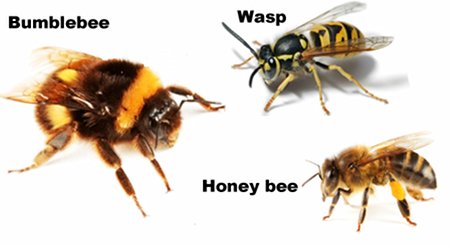
Carpenter bees often have a shiny, mostly hairless black abdomen, while bumble bees have a fuzzy abdomen. Their similar size makes them easy to confuse. Repeated carpenter bee nesting can expand galleries, so an assessment should address both current activity and the condition of the affected wood.
Insects Entering a Hole in the Lawn
Repeated flights into a ground opening can indicate a concealed nest. Yellowjackets are one possibility, but some bees also nest in the ground. The entrance alone does not establish which insect is present.
Keep children and pets away from the area, and avoid mowing, trimming, or disturbing the opening until it has been assessed. Tell the provider whether the activity is beside a walkway, play area, garden, or other frequently used space.
A Nest Under Eaves or in a Tree
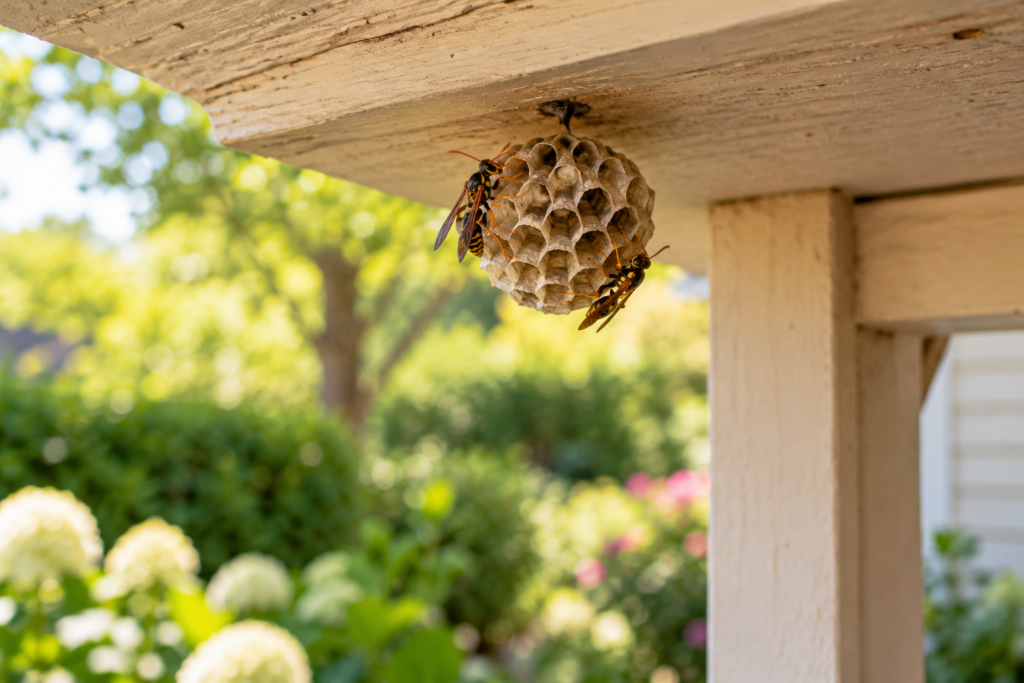
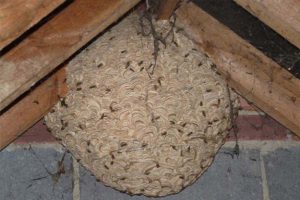
Paper wasps build exposed combs with visible cells, often in sheltered locations. Other social wasps, including those commonly called hornets, may build enclosed paper nests.
A nest beside a door or above a deck presents different access concerns than one well away from daily activity. Describe its location and approximate height when requesting help. Avoid climbing a ladder to inspect or photograph it.
A Cluster of Bees on a Branch
A cluster of honey bees resting on a branch may be a swarm rather than an established nest. Ask whether a beekeeper or honey bee removal specialist can assess it for collection or relocation.
Bees repeatedly entering a wall, roofline, or other building opening may require a different service. An established colony inside a structure can involve access to the cavity and removal of comb, with repairs arranged separately.
Bees Visiting Flowers
Bees moving between blossoms do not necessarily indicate a nest in your home. Pollinator activity away from entrances and regularly used spaces may not require treatment.
If you’re unsure, describe the activity before requesting removal. The goal is to address the actual problem while avoiding unnecessary disturbance of beneficial insects.
When Are Stinging Insects a Concern in Lanett?
Alabama seasonal watch: Spring and summer bring carpenter bee activity; late summer and fall are peak yellowjacket season.
Carpenter bees emerge in spring and remain active through summer. During that time, watch exposed wood around porches, decks, fascia boards, fences, and outbuildings for fresh holes or sawdust.
Alabama Extension identifies late summer and fall as peak yellowjacket season. Before mowing or working around shrubs, look from a distance for repeated insect traffic into one spot. Keep outdoor food covered, clean up drink spills, and use tightly closed trash containers.
These are regional patterns rather than a prediction for a particular property. Weather, the insect species, and the nest location affect when activity becomes noticeable.
What to Expect From a Bee or Wasp Assessment
An assessment should establish what insect is present, where it is nesting, and how the location affects the available options.
When speaking with an independent provider, ask:
- Which insect is involved? Honey bees, carpenter bees, bumble bees, and wasps have different nesting habits.
- What work is proposed? Clarify whether the estimate covers treatment, nest removal, honey bee relocation, or another service.
- Is structural access needed? A colony inside a wall or soffit may require opening part of the building.
- Who handles cleanup and repairs? Comb removal, wood repair, and closing access openings may be separate services.
- Is follow-up included? Ask how continuing activity will be evaluated and whether additional visits carry a charge.
Explain whether the nest is near the only entrance, a pet enclosure, or another area you cannot easily avoid. That information helps the provider assess scheduling needs.
What Affects Bee Removal Costs in Lanett?
The scope of the job matters more than the number of insects you can see. Factors that may affect an estimate include:
- The species and whether a colony is established.
- Nest height and accessibility.
- Whether the nest is outdoors or inside a building.
- Equipment needed to reach the affected area.
- Comb removal, cleanup, or structural repairs.
- Follow-up visits and the provider’s service terms.
An accessible wasp nest under an eave and a honey bee colony inside a wall involve different work. Ask for an explanation of what the quoted price includes before authorizing service.
Bro’s Pest Control connects customers with independent providers; the provider confirms the service scope, availability, and pricing.
Reducing Future Nesting Problems
Prevention should match the insect and nesting location.
For carpenter bee concerns, inspect exposed exterior wood for fresh damage and discuss suitable repairs or protective finishes. Alabama Extension notes that painted surfaces can discourage nesting.
For wasp concerns, maintain outdoor trash containers, remove food residue from eating areas, and inspect sheltered exterior spaces from a distance.
Ask the provider when to repair or close any opening associated with an active nest. For a colony inside a structure, confirm that the plan addresses the colony and any necessary cleanup before repair work begins.
Frequently Asked Questions
Can honey bees be relocated in Lanett?
Relocation may be possible, depending on the colony’s location, condition, and the availability of a beekeeper or removal specialist. Ask specifically about honey bee services. Swarm collection and removal of an established colony from a building are different jobs.
Do carpenter bees mean my home has major damage?
Visible holes do not establish the extent of damage. Carpenter bees can reuse and extend galleries over time, so recurring activity deserves attention. A provider can assess the nesting activity, while a qualified repair professional may be needed to evaluate affected wood.
Are yellowjackets a type of bee?
No. Yellowjackets are wasps, although their yellow-and-black coloring often leads homeowners to call them bees. Identification matters because their nest locations and management needs differ from those of honey bees or carpenter bees.
Does bee removal include repairing siding or drywall?
Not necessarily. Ask whether the estimate includes opening the affected area, removing comb or nest material, cleanup, and restoring the building. Some jobs require a separate repair contractor.
Can I request help if I don’t know which insect it is?
Yes. Describe the insects, their flight pattern, and the location of the activity. Photos taken from a safe distance may help, though an on-site assessment may still be necessary.
Are same-day appointments available?
Availability depends on the provider and the work required. Call to ask about current scheduling, and explain whether the activity is affecting an entrance or another frequently used area.
Request Bee or Wasp Removal Help in Lanett
When you call, have your property location, the nest’s approximate position, and a description of the activity ready. Mention whether insects are entering the building and whether any earlier treatment has been attempted.
Call Bro’s Pest Control at 1-888-497-9069 to connect with an independent pest-control professional serving the Lanett area.
For other household pest concerns, explore our Lanett pest control information.
Information Sources
- Alabama Extension: Carpenter Bees—Identification, Biology, Structural Damage, and Control
- Alabama Extension: Lookout for Yellow Jackets—Outdoor Stinging Insects
Bee Control in Nearby Communities
Looking for information for a home outside Lanett? Explore these bee and wasp guides for nearby Alabama communities. Each guide includes homeowner advice and local address references.
- Bee control in Valley, AL
- Bee control in Opelika, AL
- Bee control in Roanoke, AL
- Bee control in Auburn, AL
These links help you find the guide for your community. Confirm service availability for your physical street address with the independent provider.
Lanett County & ZIP Code Information
County: Chambers County
ZIP code: 36863
Mailing ZIP boundaries can extend beyond city limits. Provide your full property address so the independent provider can confirm service availability.
City-area reference
Explore the Lanett, Alabama area
Area reference map—not a service-coverage boundary. Use this map to orient yourself around Lanett. It does not mark a Bro’s office or confirm service availability at your address.
The interactive city-area map loads as you scroll to this section.
Google Maps loads when this section approaches your screen, or when you click the button. Google’s map service then receives your connection information.
View larger map of Lanett ↗ · Confirm exact-address coverage and any travel fee with the independent provider.
FREE PLANNING CHECKLISTS
Prepare for an inspection. Compare quotes clearly.
Keep a dated record of the problem, then compare written proposals for the same work. These free, two-page PDFs are ready to print and fill in; no signup is required.
Share your ZIP code and pest concern. Confirm the scope and full price with the independent provider.
Describe the pest, affected areas and ZIP code to start your request.
