
Last Updated on June 27, 2026
Safe Bee Removal & Wasp Control in Mount Olive, North Carolina
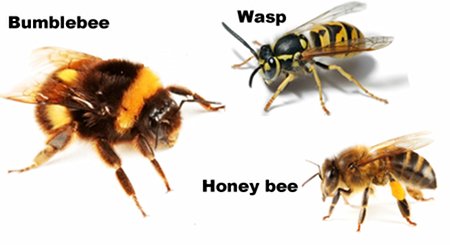
Bee, wasp, and hornet infestations can quickly become a safety concern for homeowners and businesses, especially when nests are located near entrances, decks, patios, garages, or outdoor gathering areas. Bro’s Pest Control connects property owners in Mount Olive, NC with experienced local bee removal professionals who provide safe, effective solutions for a wide variety of stinging insects.
Whether you’ve discovered a bee swarm in a tree, carpenter bees damaging wooden structures, or yellow jackets nesting underground, local specialists can inspect your property, identify the insect species, and recommend the most appropriate removal or treatment option.
Call 1-888-497-9069 today to schedule bee removal in Mount Olive, North Carolina.
Common Stinging Insects Found in Mount Olive
Several species of stinging insects are commonly found throughout Wayne and Duplin counties, including:
- Honey Bees
- Carpenter Bees
- Bumble Bees
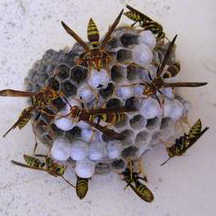
- Paper Wasps
- Yellow Jackets
- European Hornets
- Bald-Faced Hornets
- Mud Daubers
Each species behaves differently and may require a different treatment approach. Proper identification is important before beginning any removal or extermination service.
Bee Removal Near Mount Olive
- Goldsboro
- Warsaw
- Calypso
- Faison
- Dudley
- Seven Springs
- Kenansville
- Pink Hill
- Princeton
- Pikeville
- La Grange
- Clinton
[su_column
Mount Olive Wasp & Hornet Removal
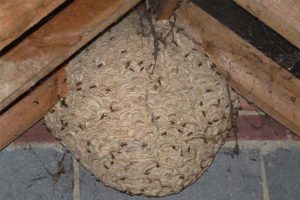
Wasps and hornets commonly build nests beneath roof eaves, sheds, decks, attics, garages, and other protected areas around homes and businesses. As colonies grow throughout the summer, they often become more defensive, increasing the risk of painful stings.
Professional treatment helps eliminate active nests while reducing the likelihood of future infestations around your property.
Bee Removal Cost in Mount Olive, NC
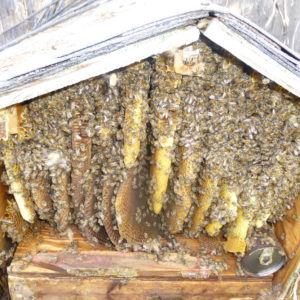
The cost of bee removal depends on several factors, including the species involved, the size of the colony, where the hive or nest is located, and whether repairs or exclusion work are needed after removal.
Several factors may affect pricing, including:
- Bee, wasp, or hornet species
- Hive or nest size
- Accessibility of the infestation
- Relocation versus extermination
- Structural repairs following removal
- Follow-up treatments
- Emergency or same-day service
Scheduling a professional inspection is the best way to determine the most appropriate treatment and receive an accurate estimate for your home or business.
Frequently Asked Questions
How much does bee removal cost in Mount Olive, NC?
The cost depends on the insect species, colony size, nest location, accessibility, and whether relocation or extermination is appropriate. A professional inspection provides the most accurate estimate.
Do you relocate honey bees?
Whenever practical, honey bees are relocated because they play an important role as pollinators. The recommended removal method depends on the hive location and local regulations.
When are bees most active in North Carolina?
Bee activity generally increases during spring and summer, while yellow jackets and hornets often become most active in late summer and early fall.
Can carpenter bees damage my home?
Yes. Carpenter bees tunnel into untreated or weathered wood to create nesting galleries. Over time, repeated nesting can weaken wood trim, decks, fences, siding, and other wooden structures if left untreated.
Should I remove a bee nest myself?
Attempting to remove an active hive or nest without the proper equipment can be dangerous. Professional removal helps reduce the risk of stings and ensures the infestation is handled safely.
Do you remove wasps and hornets?
Yes. Local pest control professionals provide treatment and removal for wasp nests, hornet nests, yellow jacket colonies, and other stinging insect infestations.
Learn More About Bee Safety
Homeowners can learn more about bee identification, pollinator protection, and integrated pest management through the North Carolina State Extension Publications and the North Carolina Department of Agriculture & Consumer Services. These resources provide research-based information on identifying common stinging insects, protecting pollinators, and managing pest problems around homes and businesses.
