
Last Updated on June 27, 2026
Safe Bee Removal & Wasp Control in Plymouth, Massachusetts
If you’ve discovered a bee swarm, wasp nest, or hornet colony on your property, prompt removal can help protect your family, visitors, employees, and pets. Bro’s Pest Control connects homeowners and businesses in Plymouth, MA, with experienced local bee removal professionals who specialize in safely removing bees, wasps, hornets, and other stinging insects.
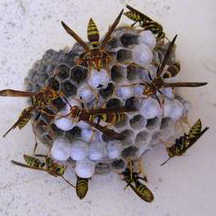
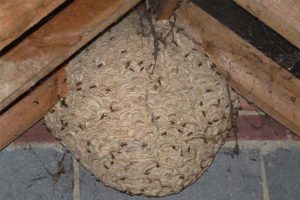
Whether the nest is located inside a wall, beneath your roofline, in a tree, shed, attic, or around outdoor living areas, local specialists can inspect the infestation, identify the insect species, and recommend the most effective treatment or relocation option.
Call 1-888-497-9069 today to schedule bee removal in Plymouth, Massachusetts.
Bee Removal Near Plymouth
- Kingston
- Duxbury
- Carver
- Wareham
- Bourne
- Sandwich
- Marshfield
- Halifax
- Pembroke
- Plympton
- Middleborough
- Sagamore Beach
Common Stinging Insects Found in Plymouth
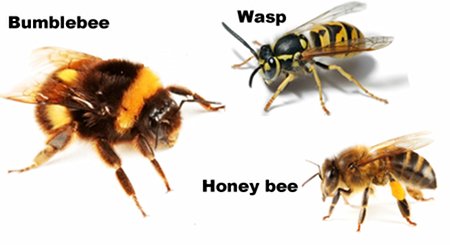
Several species of stinging insects are commonly found throughout Plymouth County, including:
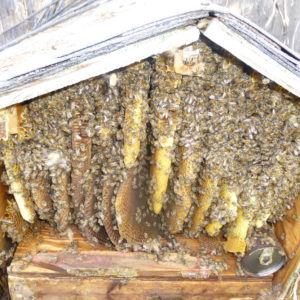
- Honey Bees
- Bumble Bees
- Carpenter Bees
- Paper Wasps
- Yellow Jackets
- Bald-Faced Hornets
- European Hornets
- Mud Daubers
Different species require different treatment methods. Proper identification helps determine whether relocation, nest removal, or extermination is the most appropriate solution.
Residential & Commercial Bee Removal
Bee and wasp infestations can affect homes, apartment complexes, restaurants, office buildings, retail centers, schools, warehouses, and industrial facilities throughout Plymouth.
Whether you need a single nest removed or ongoing pest management services, Bro's Pest Control can connect you with experienced local professionals who provide customized treatment solutions for residential and commercial properties.
Seasonal Bee Activity in Plymouth, MA
Bee activity typically begins increasing during the spring as temperatures rise across southeastern Massachusetts. Colonies continue growing throughout the summer, while yellow jackets and hornets often become most active during late summer and early fall. Properties near wooded areas, parks, conservation land, or coastal landscapes may experience increased stinging insect activity during the warmer months.
Bee Removal Cost in Plymouth, MA
The cost of bee removal depends on several factors, including the type of stinging insect, the size of the colony, where the nest is located, and whether repairs or exclusion work are needed after removal.
Factors that may affect the cost include:
- Bee, wasp, or hornet species
- Colony or hive size
- Accessibility of the nest
- Relocation versus extermination
- Structural repairs after removal
- Follow-up treatments
- Emergency or same-day service requests
Scheduling a professional inspection is the best way to determine the most effective treatment and receive an accurate estimate for your property.
Frequently Asked Questions
How much does bee removal cost in Plymouth, MA?
The cost depends on the insect species, colony size, nest location, accessibility, and whether relocation or extermination is appropriate. A professional inspection is the best way to receive an accurate estimate.
Do you relocate honey bees?
Whenever possible, honey bees are relocated because they play an important role as pollinators. The appropriate removal method depends on the hive location and local regulations.
When are bees most active in Plymouth?
Bee activity generally increases during spring and summer, while yellow jackets and hornets often reach peak activity in late summer and early fall.
Can bees damage my home?
Yes. Carpenter bees can tunnel into wood, while bee colonies inside walls or attics can leave behind honeycomb that may attract additional pests if not properly removed.
Should I remove a bee nest myself?
No. Attempting to remove an active hive or nest without the proper equipment can be dangerous. Professional removal helps reduce the risk of stings and ensures the infestation is handled safely.
Do you remove wasps and hornets?
Yes. Local pest control professionals can treat and remove wasp nests, hornet nests, yellow jacket colonies, and other stinging insect infestations around residential and commercial properties.
Learn More About Bees and Pollinators
Honey bees and other pollinators are an important part of Massachusetts' ecosystem. Homeowners can learn more about bee identification, pollinator protection, and integrated pest management through the University of Massachusetts Amherst Extension Landscape, Nursery & Urban Forestry Program and the Massachusetts Department of Agricultural Resources.
