
Last Updated on May 2, 2026
Quincy Safe Bee Removal & Extermination
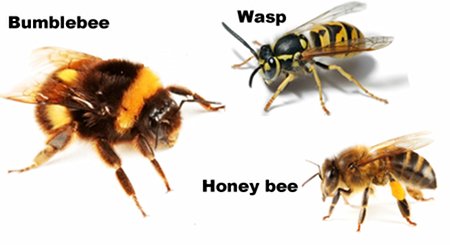
Looking for reliable bee removal in Quincy? Bro’s Pest Control connects homeowners and businesses with trusted local experts who specialize in safe bee removal and stinging insect control throughout the Quincy area.
Our network of experienced exterminators provides a full range of services, including:
- Wasp and hornet control
- Bee swarm removal
- Safe bee removal and relocation (when appropriate)
- Entry point sealing and exclusion
- Minor repairs from hive-related damage
- Preventative treatments and trapping solutions
Stinging insects can pose serious risks—especially for individuals with allergies—so it’s important to act quickly. Whether you’re dealing with an active hive or a swarm, professional service helps ensure the problem is handled safely and effectively.
📞 Call 1-888-497-9069 today to get connected with a local expert for bee control in Quincy, Florida.
Specialized Bee Removal & Extermination
It is important to hire local Quincy exterminators who are qualified and equipped to get rid of bees and wasps within your residential or commercial property. Professional exterminators can rid your home or business of bees and other stinging insects to prevent potential damage and dangerous situations.
Bro’s Pest Control professionals can help you with all different bee problems, including:
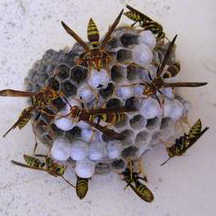 Removal of hives, bee swarm removal, yellow jacket removal, hornet removal, bumble bee removal, and various bee removal jobs. Bee removal Quincy, FL experts will come out to your home or business and remove unwanted bees safely and at a reasonable price. Same-day appointments for bee removal can be scheduled, if needed. Ready for bee control in Quincy, FL? Contact us today by calling 1-888-497-9069.
Bee, Wasp & Hornet Treatment in Gadsden County
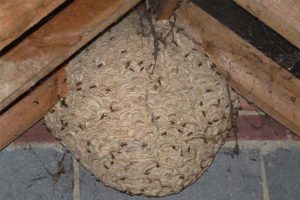 Bee, wasp, or hornet treatment in Quincy, FL will require one of our bee specialists to come out to your home to perform a free inspection. They will arrive fully equipped to eliminate your bee issue. The bee exterminator will identify the location of the nest, depending on the type of stinging insect problem you have, and eliminate/remove the problem to protect your family’s health and safety. In the case of a hornet's nest, the technician will treat the nest and return to remove it after ensuring that all the pests have been killed.
Bees are flying insects closely related to wasps and ants, known for their role in pollination and, in the case of the best-known bee species, the European honey bee, for producing honey and beeswax. For bee removal in Quincy, FL — contact us today!
Bee Extermination Quincy, Florida
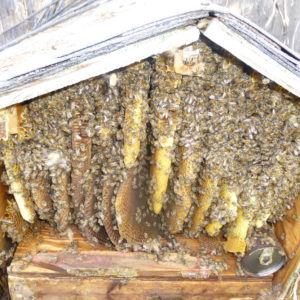 Assuming the bees in question are not honeybees, a Bro's Pest Control expert can exterminate them. Every year, beekeepers are called upon to advise the removal of honey bees (and other insect pests) from homes and buildings since honey bees are NOT to be exterminated. Honey Bee removal, on the other hand, includes relocating the bees to a different location. If you have a bumblebee, wasp, or yellow jacket bee problem in Quincy, FL, then extermination can be done. For wasp, bumble bee, hornet, or yellow jacket extermination in Quincy, FL -- please get in touch with Bro's Pest Control today!
Bee Control & Removal Quincy, FL
Safe & Effective Bee Removal in Quincy, Florida
Located in Quincy, Florida, homeowners and businesses often deal with bee activity—especially during warmer months when colonies are active. If you’re noticing increased bee presence around your property, it’s important to act carefully and responsibly.
Bro’s Pest Control connects you with pre-screened local professionals who specialize in safe bee removal and control in Quincy, FL, helping protect both your home and the environment.
Why Proper Bee Removal Matters
Bees play a critical role in pollination, so proper identification is key. In many cases, honey bees should be safely relocated rather than exterminated, whereas more aggressive species such as wasps, hornets, and yellow jackets may require targeted treatment.
Attempting DIY removal or using the wrong pesticides can:
- Harmful to beneficial bee populations
- Spread contamination to surrounding plants
- Increase the risk of stings or colony disturbance
