Last Updated on June 27, 2026
Professional Termite Control in Greensboro, North Carolina
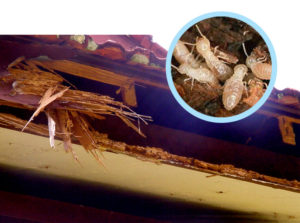
Termites are one of the most destructive pests affecting homes and businesses throughout Greensboro and Guilford County. Because termites typically remain hidden inside walls, crawl spaces, foundations, and structural wood, infestations often go unnoticed until significant damage has already occurred.
Bro’s Pest Control connects homeowners and businesses in Greensboro, NC with experienced local termite control professionals who provide termite inspections, treatment plans, colony elimination, and long-term prevention services. Whether you’ve noticed mud tubes along your foundation, discarded wings near windows, damaged wood, or simply want peace of mind, local specialists can help protect your property.
Call 1-888-497-9069 today to schedule a termite inspection in Greensboro, North Carolina.
Why Termites Are Common in Greensboro
Greensboro’s warm, humid climate and seasonal rainfall create favorable conditions for termite activity throughout much of the year. Subterranean termites are the most common species in North Carolina and typically enter homes through cracks in foundations, expansion joints, crawl spaces, or areas where wood comes into direct contact with soil.
Homes with excessive moisture, poor drainage, leaking plumbing, or untreated wood near the foundation may have an increased risk of termite infestations. Regular inspections can help identify problems before costly structural damage occurs.
Signs You May Have Termites
Because termites often remain hidden, homeowners should watch for common warning signs such as:
- Mud tubes along foundations
- Hollow-sounding or damaged wood
- Discarded termite wings
- Soft or blistering wood surfaces
- Buckling floors
- Tight-fitting doors and windows
- Swarming termites during spring
If you notice any of these warning signs in your Greensboro home, scheduling a professional termite inspection is recommended.
Seasonal Termite Activity in Greensboro
Subterranean termites remain active throughout much of the year in North Carolina, with swarming activity commonly occurring during spring. Warm temperatures and increased rainfall create ideal conditions for colony growth. Homes with crawl spaces or moisture issues may be at greater risk and benefit from routine inspections.
Termite Treatment Cost Greensboro, NC
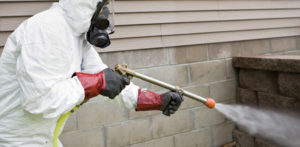
The cost of termite treatment depends on several factors, including the size of the infestation, the type of termite involved, the size of the structure, and the treatment method recommended after an inspection.
Several factors may influence pricing, including:
- Extent of termite activity
- Property size
- Accessibility of affected areas
- Treatment method selected
- Preventative monitoring systems
- Follow-up inspections
- Repairs needed after treatment
A professional inspection is the best way to determine the most effective treatment plan and receive an accurate estimate based on your property’s specific needs.
Termite Inspection Greensboro, NC
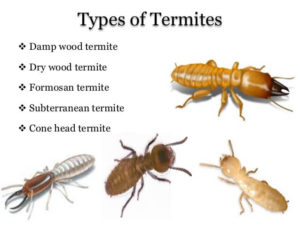
A termite inspection is the first step toward identifying active infestations and protecting your home. During an inspection, a trained termite professional examines accessible areas of the property for signs of termite activity, moisture problems, previous damage, and structural conditions that could attract termites.
Many homeowners schedule inspections before purchasing a home, during annual maintenance, or after noticing signs of termite activity.
Termite Treatment Greensboro, NC
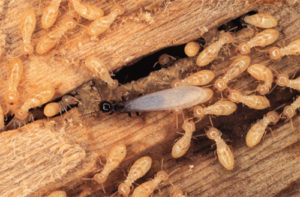 There are different methods of termite treatment, and when an inspection is performed a termite control specialist will provide you with a treatment plan if a termite problem exists.
Termite treatments that you may come across include:
- Termite Spot Treatment – this treatment is great for getting rid of small termite infested areas.
- Termite Radar Treatment – this treatment is a good termite solution that is done without a tent or moving out of your home.
- Termite Fumigation – this treatment is a whole house tent solution that will eliminate termites in your home, guaranteed. For termite fumigation Greensboro, NC — call 1-888-497-9069.
- Subterranean Termite Treatment – this treatment is done to the soil and provides a long lasting solution for the extermination of termites that come up from the ground.
- Termite Heat Treatment – this treatment is a non-chemical treatment that is great for attics, condos or apartment units.
Termite Control Near Greensboro
- High Point
- Jamestown
- Summerfield
- Oak Ridge
- Kernersville
- McLeansville
- Pleasant Garden
- Whitsett
- Colfax
- Burlington
Frequently Asked Questions
How much does termite treatment cost in Greensboro, NC?
The cost depends on the size of the infestation, the treatment method, property size, and whether preventative monitoring or repairs are needed. A professional inspection provides the most accurate estimate.
What type of termites are common in Greensboro?
Subterranean termites are the most common termite species found throughout Greensboro and much of North Carolina.
How often should my home be inspected for termites?
Many homeowners schedule a termite inspection once a year, especially if they live in an area with a high risk of termite activity.
Can termites cause structural damage?
Yes. Left untreated, termites can weaken framing, flooring, support beams, and other structural wood, leading to costly repairs.
What attracts termites to my home?
Moisture, wood-to-soil contact, untreated lumber, mulch placed against the foundation, and structural cracks can all make a property more attractive to termites.
Can termite infestations be prevented?
Regular inspections, moisture control, repairing leaks, reducing wood-to-soil contact, and professional preventative treatments can help reduce the risk of termite infestations.
Learn More About Termite Prevention
Homeowners can learn more about termite biology, prevention, and protecting their homes through the North Carolina State University Extension and the North Carolina Department of Agriculture & Consumer Services. These organizations provide research-based information on termite identification, moisture management, and integrated pest management practices.
